
10 Reasons Why Netflix Not Acquiring Warner Bros Is a Win
Staying fast, focused and completely flexible while everyone else inherits complicated baggage.

Intro:
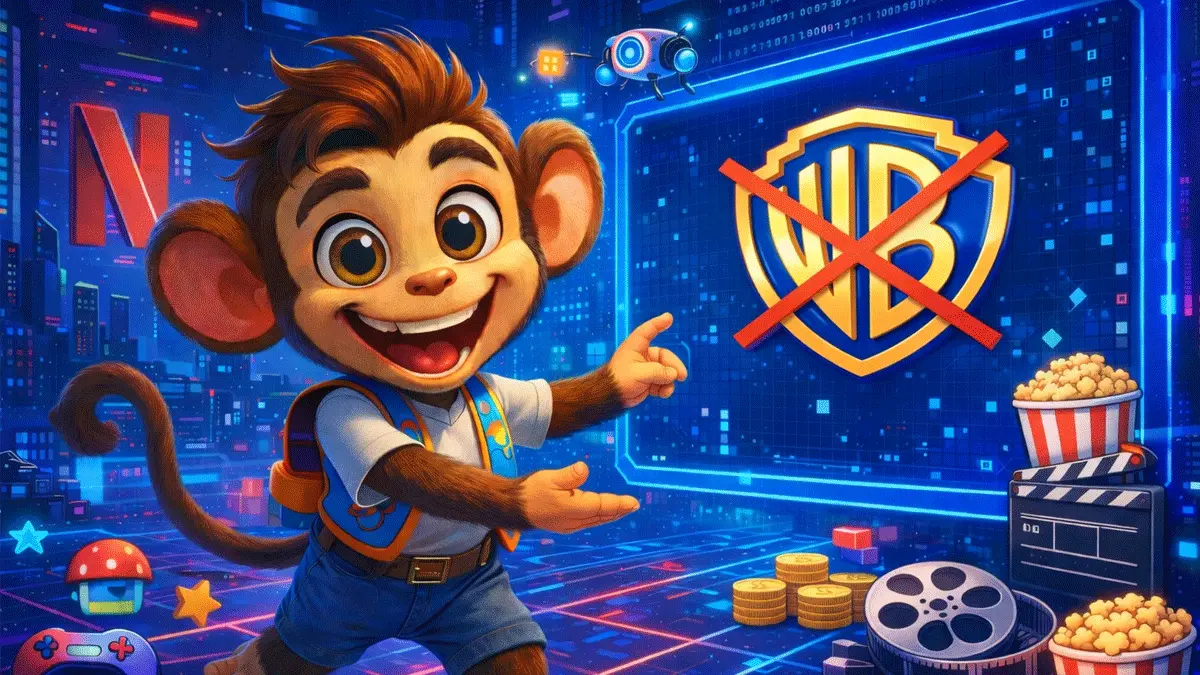
Netflix dodging the massive Warner Bros merger is not them missing a trick. It is them sticking to what they know best. They are staying fast and agile, whilst their rivals get bogged down with legacy issues. Here are the main reasons why walking away is actually a brilliant strategy.
01 It keeps Netflix asset-light
Owning a massive studio empire sounds glamorous on paper, but it effectively turns a nimble streaming platform into a heavy operation packed with fixed costs. Netflix's true edge has always been scaling globally without carrying a legacy media dinosaur on its back. Staying asset-light keeps their cash flowing cleanly from subscriptions right back into new content.
02 No mega-debt anchor
Big media acquisitions usually come bundled with a mountain of debt, and taking on that level of debt fundamentally changes corporate behaviour. It forces bosses into survival mode, cutting budgets and avoiding risks right when a streaming service actually needs to be bold and experiment. By swerving this massive buyout, Netflix keeps the financial freedom to spend money where it gets the best return.
03 Escaping the declining linear TV trap
Giants like Warner Bros are not just about film studios and modern apps. They come strapped with fading cable networks and outdated distribution models. Trying to manage the slow death of traditional television whilst building a modern streaming service is like trying to decorate a house that is actively falling down a hill. Netflix sidesteps this nightmare completely and stays entirely centred on the future.
04 Swerving regulatory headaches
A buyout of that size invites years of government scrutiny, public hearings, special conditions and messy legal battles. Even if a deal ultimately goes through, the gruelling process can freeze company decisions and terrify business partners. By backing out, Netflix gets to carry on with its day job without becoming a giant political football.
05 Dodging the "integration tax"
Huge corporate marriages rarely fail because the initial pitch was bad. They fail because merging two giants is absolutely exhausting. You end up with overlapping teams, confused staff, stalled projects and bosses jumping ship. Netflix staying solo means their top people can focus on making the product better, tweaking prices and expanding globally, rather than dealing with endless internal restructuring.
06 Maintaining a studio-neutral position
If Netflix suddenly owned one of Hollywood's biggest legacy studios, the others would instantly stop treating them like a friendly buyer and start treating them like a direct threat to be starved of content. Staying independent means Netflix keeps its doors wide open for licencing deals, co-productions and regional partnerships all over the world.
07 Protecting a software-first culture
Netflix is run like a classic tech firm, relying on rapid updates, data-driven choices and constant evolution. Traditional media conglomerates are famous for endless committee meetings, old school handshakes and painfully slow planning phases. Dodging this merger helps Netflix protect the speedy operating model that made them dominant in the first place.
08 Avoiding theatrical obligations
Buying a legacy studio means inheriting a lot of unwritten rules. There are heavy expectations from cinemas, actors and directors to prioritise traditional box office release schedules and exclusive windows. Netflix currently enjoys the luxury of choosing the perfect release strategy for every single title, completely free from old Hollywood promises or entrenched habits.
09 Reducing brand and reputation risk
A sprawling media conglomerate often includes random baggage like news divisions, expensive sports rights and the high profile controversies that inevitably follow them. None of this has anything to do with Netflix's core promise, which is simply letting you watch great entertainment. Walking away limits the chance of reputational damage from messy side businesses they do not even need to win the streaming war.
10 Preserving ultimate optionality
Committing to a Warner Bros takeover would be a massive gamble that locks up their cash and attention for years to come. By saying no, Netflix retains the ultimate prize in modern media: choices. They can cherry-pick targeted deals, licence specific libraries, sign talent directly or just buy smaller, cleaner assets. In a market that changes every week, flexibility is everything.
The Bottom Line
A mega-merger would have swapped Netflix's biggest strengths (speed, focus and global reach) for a pile of problems they simply do not need (massive debt, integration nightmares and the slow decline of legacy TV). In the modern streaming landscape, owning the most stuff does not automatically make you the winner. Running the sleekest, simplest machine usually does.

Sources & References
This analysis is based on the following public disclosures and industry updates:
- 1. Reuters: Warner Bros says Paramount bid superior, countdown begins for Netflix response
- 2. Warner Bros Discovery: Board of Directors determines revised proposal
- 3. Exclusive Analysis: Market breakdown conducted by the FindCheapStreaming editorial team.